

The very nature of nursing creates conditions that often make happiness difficult to sustain. Yet in many healthcare organizations, appreciation for nurses is most visible during Nurses Week, while the structural realities affecting their well-being remain unchanged.
For nurse managers, educators, and healthcare administrators, nurse happiness is not simply a morale issue. It is a workforce sustainability, patient safety, and organizational performance issue.
When healthcare systems intentionally support the well-being of nurses, the benefits extend beyond individual staff members. Supported nurses deliver better care, contribute to healthier workplace cultures, and improve the long-term stability of healthcare systems.
Building environments that support nurse well-being, resilience, and work-life balance must become a strategic priority rather than an occasional celebration.
The Nature of Nursing: Why Happiness Can Be Difficult to Sustain
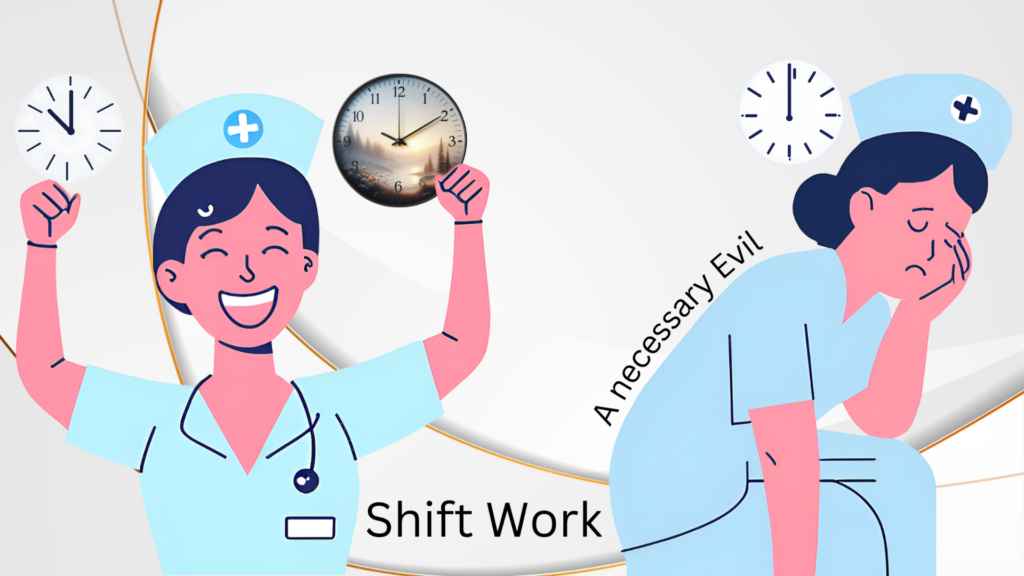
Healthcare operates 24 hours a day, seven days a week. Shift work is unavoidable because it ensures continuous patient care.
However, shift work introduces significant challenges for the well-being of nurses. Many nurses routinely experience:
- Night shifts
- Rotating schedules
- Unpredictable staffing changes
- Mandatory overtime
- Additional shifts due to workforce shortages
The above factors can significantly affect:
- Physical health
- Mental health
- Family and social life
Research shows that night shift nurses and workers on rotating schedules are particularly vulnerable to sleep disruption, fatigue, and long-term health risks (1) (2) (3).
Although nursing schedules may appear flexible on paper, the reality often involves chronic unpredictability driven by staffing shortages across healthcare systems.
Presenteeism: An Overlooked Risk in Healthcare
Another challenge within nursing environments is presenteeism; working while sick, fatigued, or emotionally depleted.
Nurses frequently feel pressure, both perceived and real, to continue working even when they are not physically or mentally well. This pressure is often intensified by staffing shortages.
Presenteeism is harmful to both healthcare workers and patients. Fatigue and illness increase the risk of:
- Clinical errors
- Reduced attention and judgment
- Compromised patient safety
Unexpected call-ins frequently lead to requests for nurses already on duty to work extended shifts. Dedicated nurses often feel obligated to accept these requests, even when exhaustion has already set in.
This unpredictability places nurses under continuous stress, which erodes happiness and emotional resilience. For healthcare leaders, this raises an important operational question:
How can organizations maintain safe patient care while protecting the well-being of shift workers?
Five Evidence-Based Strategies to Support Nurse Happiness
Healthcare leaders can take intentional steps to support the well-being of shift workers and improve workplace culture.
1. Optimize Scheduling and Shift Rotation
Predictable scheduling is one of the most effective strategies for supporting nurse well-being. Best practices include:
- Providing consistent schedules so nurses can plan their personal lives
- Avoiding frequent last-minute shift changes
- Implementing forward rotating shifts (morning → evening → night) rather than backward rotation (5)
- Limiting consecutive night shifts to reduce fatigue accumulation
Predictable schedules significantly improve sleep quality, job satisfaction, and nurse retention (4).
2. Promote Healthy Sleep Habits
Shift workers often struggle with sleep disruptions due to circadian rhythm changes. Healthcare organizations can support nurses by educating them on strategies such as:
- Creating a dark sleep environment using blackout curtains or sleep masks
- Maintaining a cool, quiet bedroom
- Using earplugs or white-noise machines
- Taking pre-shift naps before night shifts
- Maintaining consistent sleep routines even on days off (6)
Improving sleep hygiene enhances alertness, mood stability, and workplace safety.

100% blackout sleep eye mask. Soft and sleek available @ nurscentric
3. Provide Nutritional Support for Shift Workers
Nutrition plays a critical role in sustaining energy during long shifts. Healthcare facilities can support shift workers by offering:
- Healthy meal options during night shifts
- Balanced meals with protein, complex carbohydrates, and healthy fats
- Easy access to hydration stations
- Nutritious break-room snacks such as fruits, nuts, yogurt, and whole grains
Reducing reliance on high-sugar and high-fat foods helps maintain steady energy levels and reduces fatigue (7).
4. Encourage Physical Activity and Rest Breaks
Fatigue increases when nurses work long hours without adequate rest. Healthcare organizations can support recovery and alertness by promoting:
- Scheduled breaks during shifts
- Brief movement or walking breaks
- Stretching exercises to reduce musculoskeletal strain
- Access to walking areas or small fitness facilities
Even short periods of physical activity can improve energy levels, mood, and mental clarity (8).
5. Expand Mental Health and Wellness Support
Nursing is emotionally demanding. Providing mental health support is essential for sustainable healthcare systems. Healthcare organizations can strengthen support by offering:
- Confidential counseling services
- Stress-management programs
- Mindfulness and resilience training
- Peer support groups where nurses can share experiences and coping strategies
Five Organizational Benefits of Promoting Nurse Happiness
1. Reduced Burnout and Turnover
Supportive work environments reduce stress and burnout, which are common in nursing. Lower burnouts lead to higher retention rates and reduced recruitment costs.
2. Improved Patient Care and Safety
Happy and well-rested nurses are more likely to deliver high-quality care. This contributes to:
- Improved patient outcomes
- Reduced clinical errors
- Higher patient satisfaction scores
3. Stronger Workplace Culture
Supportive environments foster positive workplace cultures. Benefits include:
- Better teamwork
- Stronger communication
- Higher morale among staff
- Increased individual and team resilience
Positive cultures also help attract and retain high-quality nursing professionals.
4. Improved Work-Life Balance
When nurses are supported in maintaining healthy schedules, they are better able to rest and recover. This results in:
- Improved physical and mental health
- Lower absenteeism
- Reduced presenteeism
- Happy nurses
5. Greater Engagement and Innovation
When nurses feel valued and supported, they are more engaged in their work. Engaged nurses are more likely to:
- Contribute ideas to improve patient care
- Identify opportunities for operational improvements
- Participate in quality improvement initiatives
Key Takeaway for Healthcare Leaders
Shift work will always be part of healthcare. However, the negative effects on nurses can be significantly reduced through intentional leadership and system-level support.
Healthcare leaders can strengthen nurse well-being by prioritizing:
- Predictable scheduling
- Sleep health education
- Nutritional support for shift workers
- Physical activity and rest breaks
- Access to mental health resources
When healthcare organizations invest in nurse happiness, they improve workforce stability, patient outcomes, and the overall effectiveness of healthcare delivery.
Supporting nurses is not only compassionate leadership; it is a strategic investment in the future of healthcare.
Frequently Asked Questions (FAQ)
Why is nurse happiness important in healthcare organizations?
Nurse happiness is directly linked to patient safety, staff retention, and workplace culture. Supported nurses experience less burnout, provide higher-quality patient care, and contribute to more stable healthcare teams.
How does shift work affect nurses?
Shift work disrupts circadian rhythms and can affect sleep, mental health, physical health, and family life. Night shifts and rotating schedules are particularly associated with fatigue, burnout, and long-term health risks.
What can healthcare leaders do to support nurses?
Healthcare administrators can support nurses by implementing predictable schedules, providing mental health resources, improving access to healthy meals, encouraging rest breaks, and promoting healthy sleep practices.
Does nurse well-being affect patient outcomes?
Yes. Research consistently shows that well-supported nurses provide safer and more effective patient care, resulting in fewer errors and higher patient satisfaction.